Fresh Resident Feedback Highlights Everyday Comfort Across Liberty Harbor Homes

Daily routines often reveal more about a community than polished descriptions.Recent comments show what residents are saying about living at Liberty Harbor through practical observations.Shared opinions often discuss building care plus spaces used throughout ordinary weeks.Long-term impressions can reveal details that short property visits overlook.Together, these viewpoints create a clearer picture of everyday residential life.
Daily Routines Shape Resident Opinions
Regular routines help residents understand whether their surroundings support practical needs. Shared spaces plus building services often become important after several months of occupancy.
Comments based on repeated daily use can offer useful context for future renters. They may describe practical details that photographs cannot fully communicate before moving.
| Residential Factor | What Residents May Notice | Why It Matters |
| Building upkeep | Condition of shared areas | Shapes everyday impressions |
| Apartment layout | Useful room arrangement | Supports practical routines |
| Shared facilities | Ease of regular use | Adds daily convenience |
| Noise levels | Changes throughout different hours | Affects personal routines |
| Management contact | Clarity of communication | Supports issue resolution |
| Community spaces | Frequency of resident use | Encourages casual interaction |
Comparing several factors gives renters a broader view before deciding. Repeated comments usually provide stronger context than one isolated opinion alone.
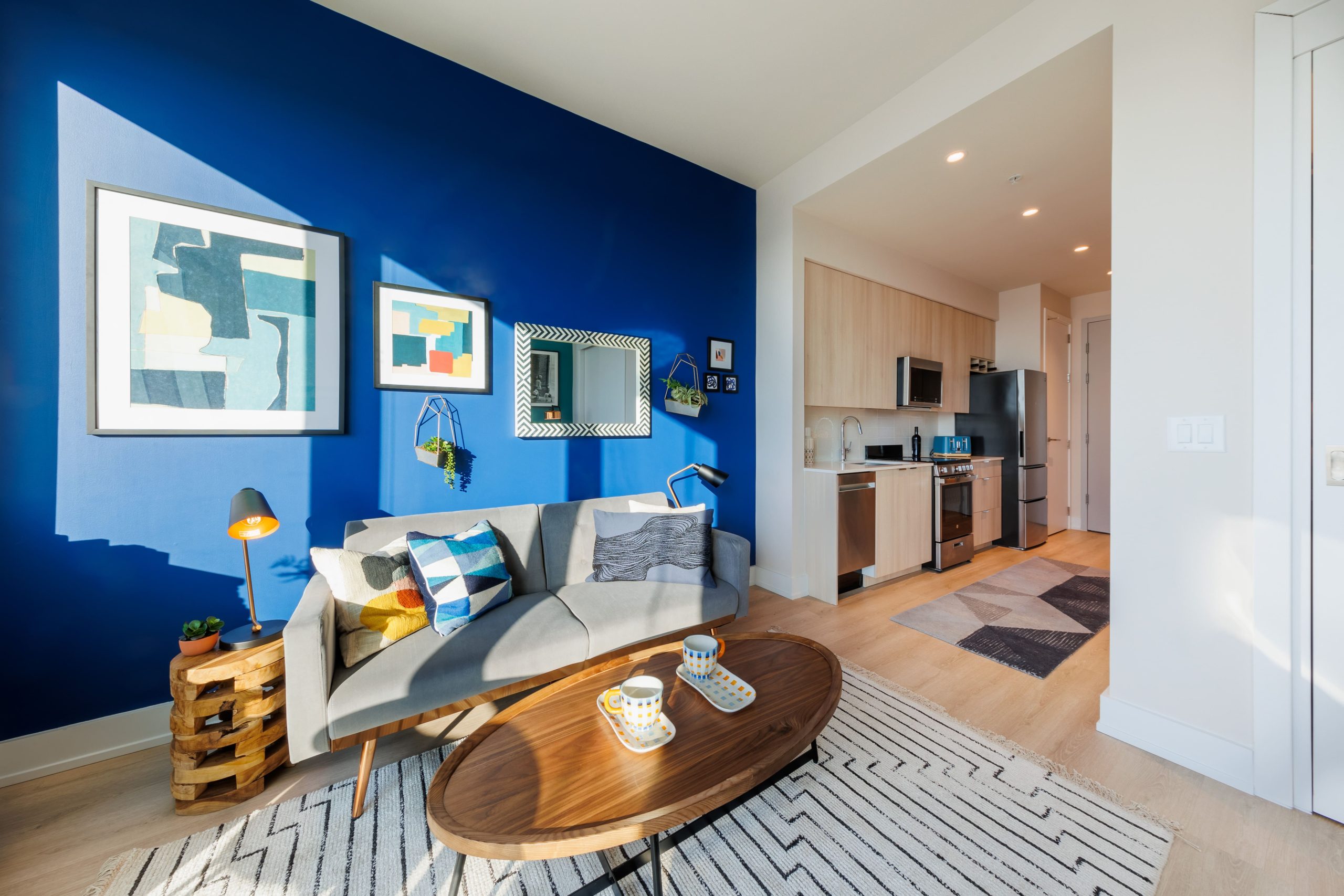
Shared Spaces Influence Everyday Living
Common areas can shape how residents feel about their surroundings daily. Clean corridors plus maintained gathering areas often support a more orderly atmosphere.
Building facilities also matter when they remain useful beyond initial impressions. Regular upkeep can influence whether shared features continue serving residents effectively over time.
Resident Comments Reveal Practical Housing Details
Personal accounts can highlight everyday conditions that formal descriptions may miss. Comparing several viewpoints helps separate recurring themes from unusual situations.
- Regular maintenance often shapes long-term opinions about residential quality.
- Clear communication helps residents understand building updates plus planned changes.
- Practical layouts support easier routines across different household living needs.
- Quiet surroundings can improve daily routines during busy working weeks.
- Clean shared areas often strengthen positive impressions of building management.
Recent feedback should still be considered alongside personal priorities before decisions. Different households may value separate features depending on schedules plus daily routines.
Common Questions About Resident Feedback
Housing comments often create practical questions for anyone comparing residential options. Clear answers can make those observations easier to judge before choosing.
- Should every resident review carry equal weight? Repeated patterns deserve greater attention.
- Do older comments remain useful today? Recent feedback usually reflects conditions better.
- Can negative comments provide useful information? Specific details may reveal recurring concerns.
- Should positive reviews influence decisions alone? Balanced research offers broader context.
- Do building services affect resident satisfaction? Reliable support often shapes daily impressions.
Resident opinions become more useful when comments include clear situations plus dates. General statements offer less context because personal expectations can differ significantly between households.
Long-Term Patterns Matter More
Single comments can describe one moment while repeated observations show broader patterns. Renters should compare recent viewpoints before forming strong expectations about residential conditions.
Practical concerns deserve attention when similar descriptions appear across separate accounts. Consistent praise can also indicate areas where building operations meet regular household needs.
Clear Choices
Careful housing decisions work best when several dependable sources support expectations. Recurring observations provide stronger guidance than unusually positive or negative remarks.
A balanced review process should consider upkeep plus communication across time. Understanding what residents are saying about living at Liberty Harbor adds useful perspective. Consistent research plus careful checking ultimately matter more than perfect impressions.