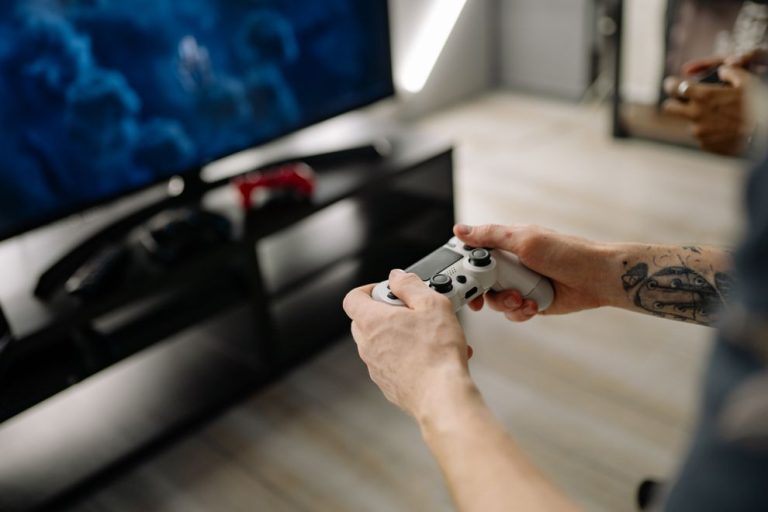
Competing against real opponents feels different from playing alone. Every action affects someone else, whether the match involves racing, strategy, or rounds of trivia questions answered head-to-head. Good etiquette keeps these matches enjoyable for everyone involved.
Most people searching this topic want clear guidance on acceptable behaviour. They want to know what counts as fair, what crosses a line, and how to handle conflict calmly.
Without shared expectations, matches quickly turn tense. Some participants exploit glitches, others leave early, and a few send harsh messages. These habits usually come from not knowing the unwritten rules rather than bad intent.
Why Clear Rules Help?
Relying on personal judgement alone leads to mixed standards. A simple set of agreed habits keeps every match predictable and fair.
- Respect every opponent regardless of skill level.
- Never use cheats, hacks, or known glitches.
- Finish matches unless a real emergency arises.
- Keep chat messages polite and on topic.
- Accept losses without blaming others.
Communicate Respectfully
Polite chat sets the tone for the whole match. A quick greeting at the start and a brief “good game” at the end go a long way. In practice, short friendly messages reduce tension during close contests. The difficulty is that tone can be misread in text, so even neutral words sometimes offend.
Play Without Shortcuts
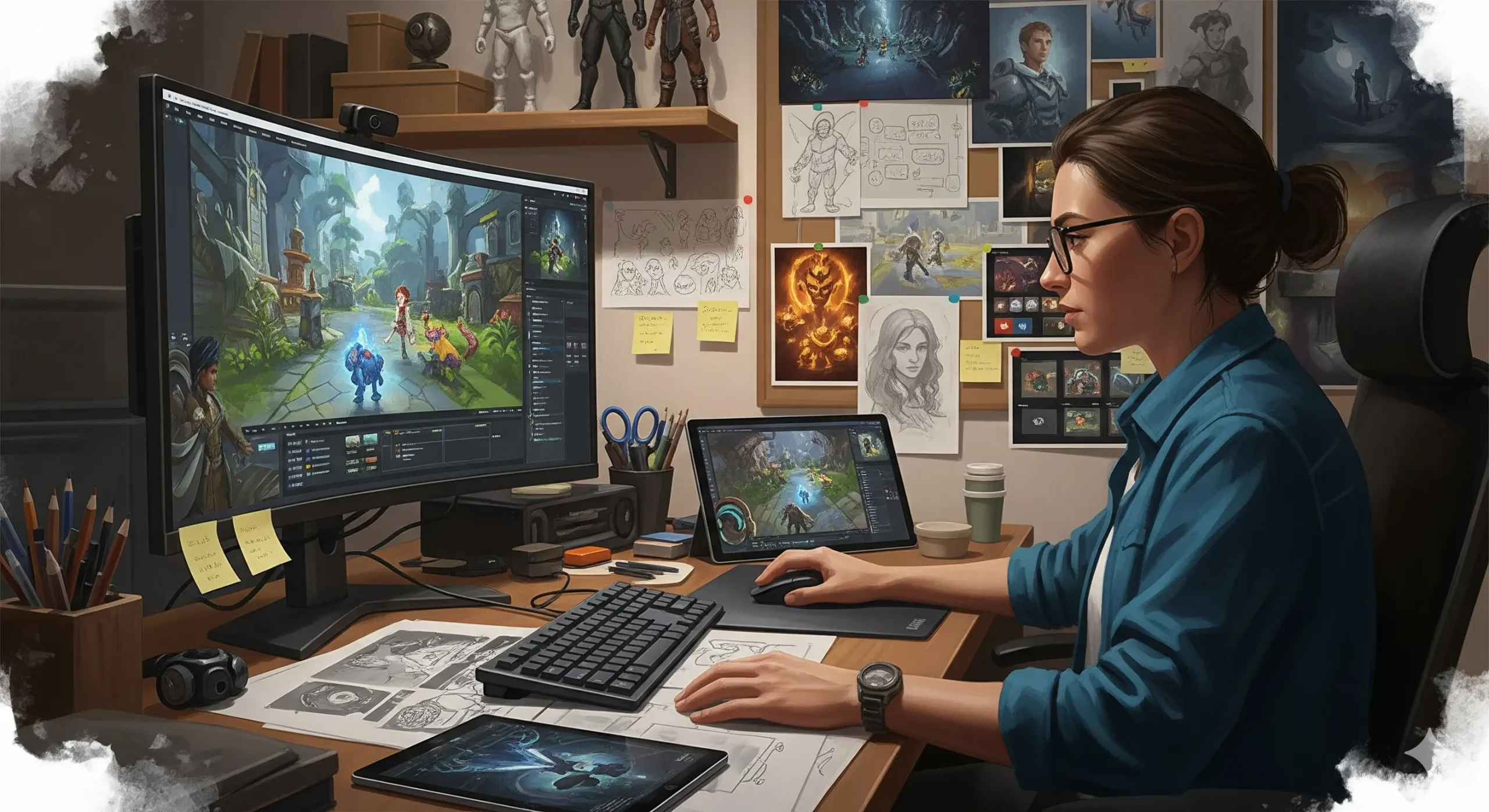
Fair competition means winning through skill alone. In quiz matches, that means answering trivia questions from memory rather than searching for answers in another tab. Honest play keeps results meaningful for both sides. However, it can feel frustrating when an opponent clearly breaks this rule.
Handle Conflict Calmly
Disagreements happen, especially during close matches. Stepping back before replying helps prevent heated exchanges. Most games include mute or report buttons for serious problems. The limitation is that reports are not always reviewed quickly.
A Simple Action Plan
- Read the game’s rules before joining any match.
- Greet opponents briefly once the match begins.
- Focus on your own performance rather than others’ mistakes.
- Use mute or report tools instead of arguing.
- Thank opponents after the match, win or lose.
A Reality Check
Many people struggle with etiquette because competition triggers strong emotions. Losing streaks can make even patient players short-tempered. A common mistake is responding to rudeness with more rudeness. Changing conditions also matter, since lag, unfair matchmaking, or tiredness affect behaviour. Recognising these pressures makes self-control easier to practise.
Building Better Habits Over Time
Good sportsmanship improves through regular reflection. After each session, think about one moment that felt tense and how you responded. Small adjustments, repeated consistently, build calmer reactions. Over months, respectful behaviour becomes automatic rather than forced.
Frequently Asked Questions
Is leaving a match early considered bad etiquette?
Yes, unless there is a genuine reason, since it disrupts the game for others.
What should I do if someone is cheating?
Avoid confronting them in chat and use the report tool instead.
Are friendly taunts acceptable?
Light humour is fine between friends, but avoid it with strangers.
How can I stay calm after losing?
Take a short break before starting another match.
Fair play is less about perfect behaviour and more about steady effort. Showing respect most of the time, owning small mistakes, and staying calm under pressure builds a reputation worth keeping. Consistency in these habits matters far more than any single win.